 FuriaHub
EU AI Act transparency rules took effect on August 2
Providers must tell people when they are talking to a model and put machine-readable marks on synthetic audio, image, video, and text. Deployers must label realistic deepfakes. New systems are live now; older ones have until December 2.
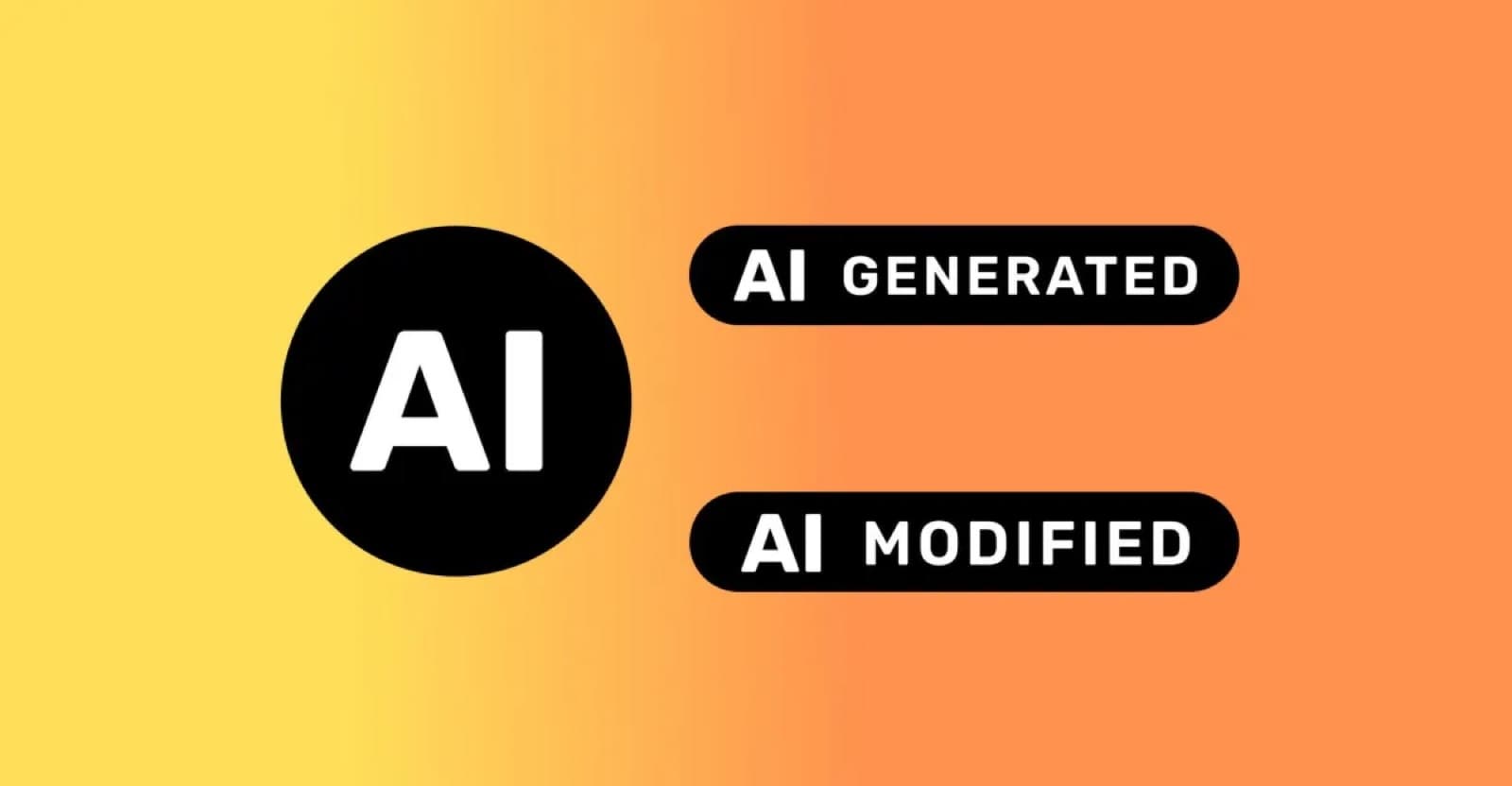
On August 3 The Verge reported that additional transparency obligations under the EU AI Act became enforceable on August 2. The rules are meant to make chatbots and AI deepfakes easier to identify.
Who has to do what
Providers must design systems so users are told they are dealing with AI rather than a human, “unless this is obvious,” and must include machine-readable marks on synthetic audio, image, video, and text. Deployers must label AI-generated or manipulated image, audio, and video deepfakes that are designed to look real.
The Commission published a set of optional disclosure icons so platforms do not each invent their own. The Verge quoted the Commission saying the icons are optional to use, but the labeling requirements “are not.”
Penalties and the grace period
Companies that fail to comply risk fines of up to €15 million, or 3% of global annual turnover. New AI systems are covered immediately. Models and services that launched before August 2 have four months, until December 2, 2026.
- In force: August 2, 2026
- Grace period for pre-August-2 products: December 2, 2026
- This is the week Anthropic and Google’s watermark stories sit on
Takeaways
- The duty is EU law, not a voluntary badge pack
- Text is in scope, which is why Claude’s SynthID-Text note exists
- December 2 is the hard date for systems that were already in market
Source: The Verge